News
Released in 1967, this song didn’t just top the charts—it captured the restless energy of an entire generation. A hypnotic organ line, a fearless structure, and a desire that refuses to cool. More than half a century later, it still burns.
Released in 1967 on The Doors’ debut album, “Light My Fire” is more than a classic rock hit—it is a defining anthem of 1960s rebellion.
Written primarily by guitarist Robby Krieger with key contributions from Jim Morrison, the song quickly became a cultural landmark.
It topped the Billboard Hot 100 and established The Doors as one of the most influential bands of their era.

Beyond its catchy riffs and psychedelic atmosphere, the song continues to resonate through its themes and musical innovation.
“Light My Fire” remains a fixture in radio, pop culture, and advertising because of its enduring appeal.
The late 1960s were a period of intense musical experimentation.
“Light My Fire” embodies this spirit through its fusion of rock, blues, jazz, and subtle Latin influences.
One of its most distinctive elements is the extended instrumental section dominated by organ and guitar.
This hypnotic passage helped push the original runtime to over seven minutes, an unusual length for radio singles at the time.
Keyboardist Ray Manzarek’s jazz-inspired organ intro instantly defines the song’s identity.
The swirling organ textures contrast with Morrison’s intense vocal delivery.
Leaving such a long instrumental break intact was a bold decision that influenced later genres from punk to alternative rock.
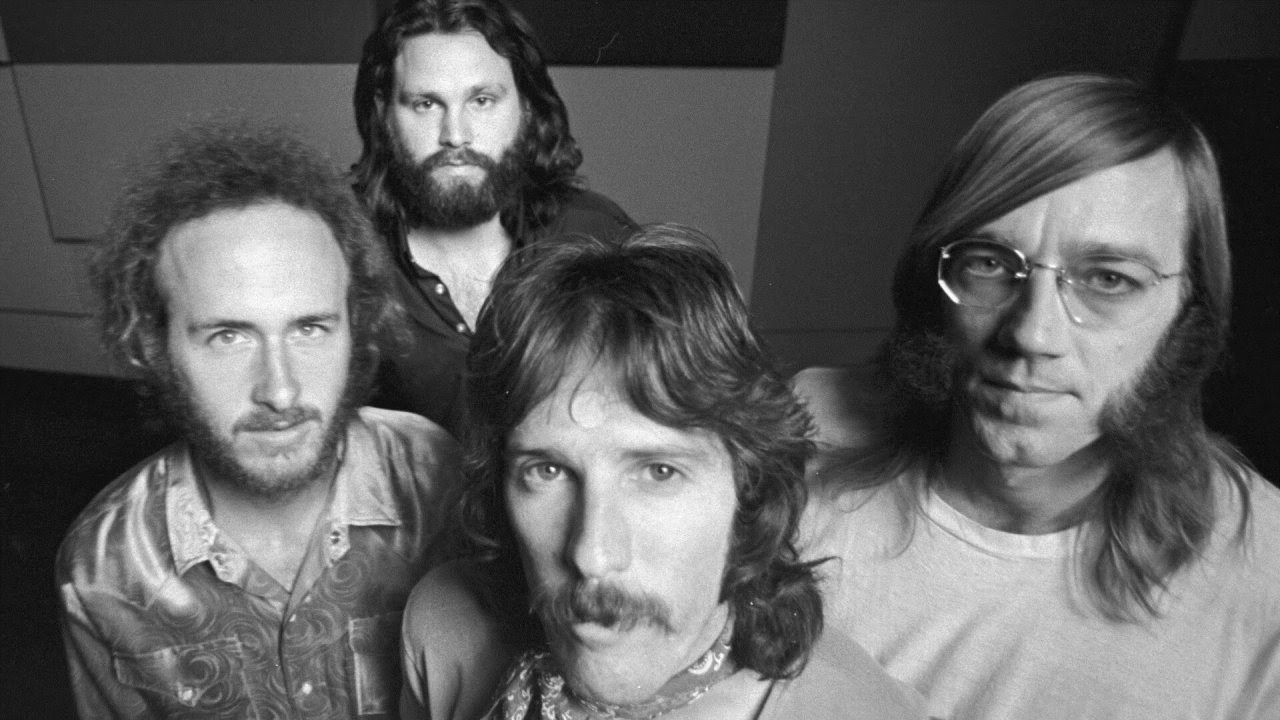
At its core, “Light My Fire” explores desire and emotional intensity.
The song’s lyrics resonated deeply during the Summer of Love in 1967.
Lines like “Come on, baby, light my fire” express a yearning for connection and meaning.
The lyrics also echo the countercultural rejection of traditional norms.
As a result, the song became a symbolic voice for a generation seeking freedom.
Its themes of passion and rebellion remain relatable decades later.
Commercial success played a major role in the song’s lasting legacy.
Its chart performance helped launch The Doors into mainstream prominence.
The band soon followed with other major hits like “People Are Strange” and “Hello, I Love You.”
The Doors came to represent a new anti-establishment cultural identity.
“Light My Fire” has since appeared in films, television, and advertising.
Its use in movies like Forrest Gump reinforced its nostalgic power.
Brands continue to use the song to connect emotionally with audiences across generations.
The Doors also left a lasting influence on future artists.
Their music explored existential and psychological themes uncommon in rock at the time.
Jim Morrison’s poetic lyrics and commanding presence shaped the band’s image.
This openness paved the way for later movements such as punk, grunge, and alternative rock.
“Light My Fire” has been covered across genres, from soul to jazz to pop.
José Feliciano’s 1968 Latin-style version introduced the song to a wider audience.
The song’s adaptability highlights its universal musical structure.
Jim Morrison remains one of rock’s most enigmatic cultural figures.
His deep voice and philosophical approach extended his influence beyond music.
Morrison’s legacy continues to inspire literature, film, and academic study.
Interest in his life remains strong through documentaries and biographies.
From a technical standpoint, “Light My Fire” is engineered to captivate listeners.
Its shifting rhythms and extended structure keep the brain engaged.
The interplay between organ, guitar, and drums creates constant movement.
Morrison’s baritone adds urgency and emotional weight.

These elements explain why the song remains compelling after repeated listens.
The song also offers lessons beyond music.
Its success shows the power of originality in a crowded market.
The Doors built a lasting brand through authenticity and risk-taking.
“Light My Fire” proves that distinctive identity outlives trends.
Even in the digital age, authenticity remains a key driver of engagement.
More than fifty years later, “Light My Fire” remains a cornerstone of rock history.
Its structure, themes, and sound capture the essence of a transformative era.
The song continues to inspire musicians, listeners, and creators alike.
Ultimately, “Light My Fire” reminds us that genuine artistic expression never expires.
