News
Donna Fargo’s “Funny Face” Reimagines Country Crossover in 1972-2
In August 1972, Donna Fargo released “Funny Face,” a charming, self-penned single that swiftly rose to number one on the Billboard Country chart and held that spot for three weeks.
It marked a breakthrough moment—not only in Fargo’s career, but for the country-pop crossover movement—peaking at No. 5 on the Billboard Hot 100 and earning a Gold certification.
Born Yvonne Vaughn in Mount Airy, North Carolina, in 1945, Fargo transformed herself into a country music stalwart.
After studying at USC and working as a teacher, she pursued music under the guidance of her future husband and manager, Stan Silver.
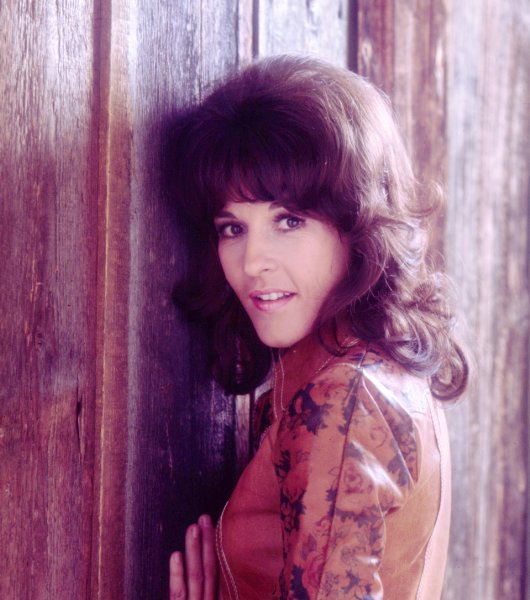
Among the few female singer-songwriters in Nashville at the time, her blend of candid lyrics and melodic warmth set her apart.
The inspiration for “Funny Face” came from her husband’s affectionate nickname.
Wry and tender, Fargo joked that he always called her “funny face,” and she reciprocated with “fuzzy face.”
She initially wrote 16 verses but wisely trimmed it to the two most resonant ones, favoring emotional impact over length.
Recorded in April 1972 at Nashville’s Jack Clement Recording Studio and produced by Stan Silver, “Funny Face” used minimalist instrumentation—warm guitar, steady rhythm, and Fargo’s inviting vocals.
The production spotlighted the song’s homegrown charm and sincere delivery.
Upon release, “Funny Face” climbed to No. 1 on the country chart and crossed over to peak at No. 5 on the Hot 100—a rare feat for a solo female country artist at that time.
Its 14-week chart run and Gold status solidified Fargo’s place in both country and pop markets.
The song’s sweet sincerity and crossover success helped redefine early 1970s country.
Fargo’s ability to mix down-home storytelling with pop sensibility prompted a shift in Nashville’s approach, encouraging more artists to aim beyond genre confines.
“Funny Face” catapulted Fargo into the spotlight.
She toured extensively, made television appearances, and cemented her reputation as a singer-songwriter powerhouse.
It also enhanced her debut album The Happiest Girl in the Whole U.S.A.’s success, which went Gold in early 1973.
Its influence spread across Southern soul territory as well: in 1974, Z.Z. Hill offered a funk-infused cover, showing the song’s versatility beyond the country realm.
Numerous artists have since paid tribute.
Soul artists like Z.Z. Hill and gospel interpretations in local scenes confirmed the song’s emotional appeal across genres.
It became a favorite in acoustic settings and common in oldies radio compilations.
Donna Fargo’s career was booming as “Funny Face” surged.
She quickly followed up with more top-ten country hits like “Superman” and “You Were Always There.”
The song validated her decision to pursue music full-time and bolstered her standing as a hit-making artist.
Her personal life intertwined with her music; her husband Stan Silver’s production played a key role, and her wholesome persona—honest, approachable, smiling—resonated deeply with fans during an era of social upheaval.
Over 50 years later, “Funny Face” endures.
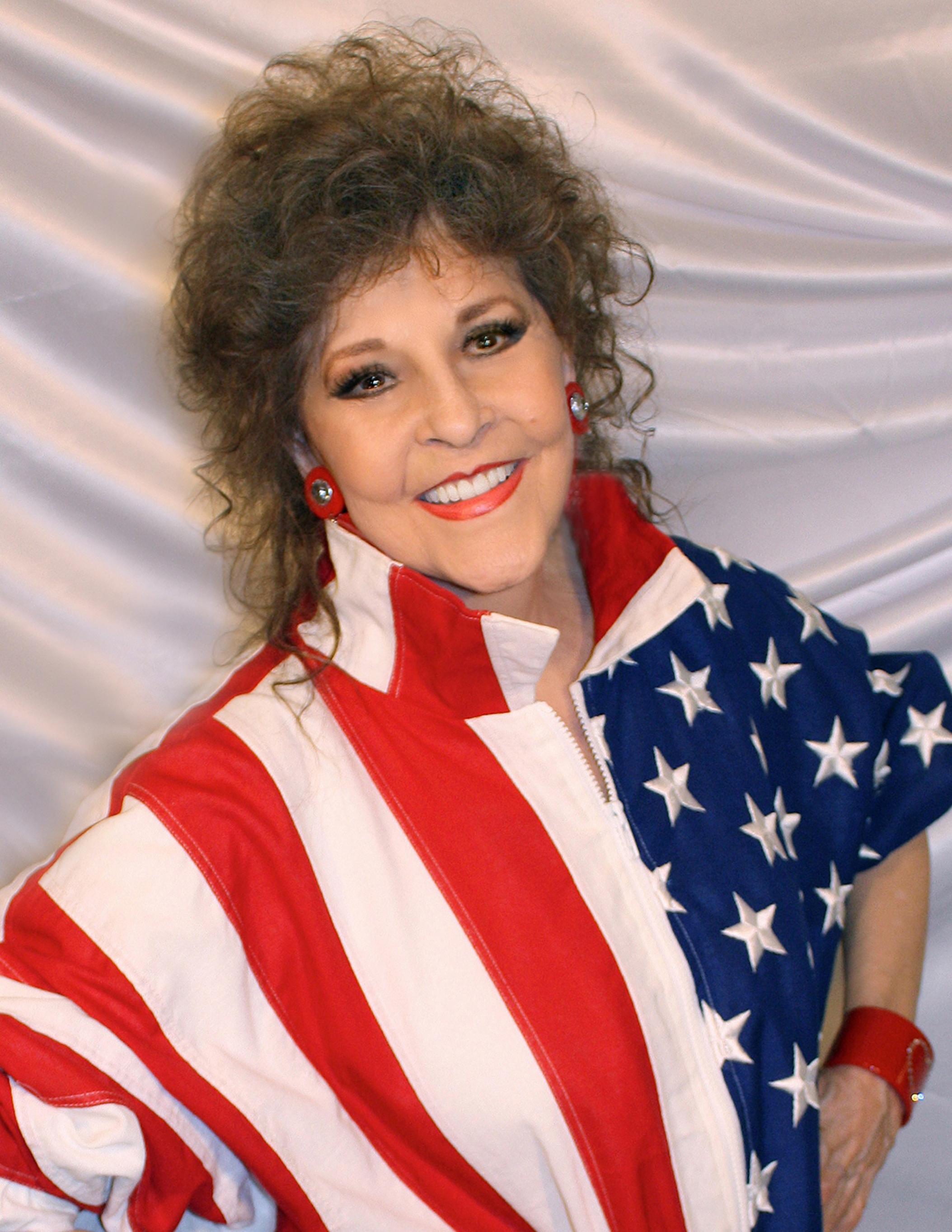 It remains a staple on classic country stations and “best of the ’70s” playlists.
Billboard and music historians regularly cite it as Fargo’s signature song and define it as a milestone in female country songwriting.
Its success paved the way for other country-pop hybrids and encouraged Nashville to embrace more storytelling with crossover potential—ultimately influencing artists like Crystal Gayle and later Shania Twain.
Although Fargo later received a Grammy and multiple industry honors, “Funny Face” itself didn’t garner major awards—yet its lasting influence is undeniable, a song recognized more through its sustained popularity than trophies.
In the end, “Funny Face” is memorable not because it broke molds, but because it spoke a universal language of affection in a fresh, heartfelt way.
Donna Fargo’s breezy lyricism and charming performance unlocked new avenues for female artists and left a lasting mark on country music’s evolution.
More than just a hit, “Funny Face” became a cultural touchstone of its time—an enduring testament to authenticity and melodic sincerity that continues to resonate with listeners across generations.
